When most people think about hiring an interior designer, they picture someone choosing paint colors, selecting furniture, or decorating a room. While those skills certainly have their place, residential interior design is often much more comprehensive than many homeowners realize.
A talented residential interior designer thinks beyond individual rooms. They consider how an entire home functions – how spaces connect, how families move throughout the house, how natural light changes throughout the day, and how every design decision contributes to creating a home that is both beautiful and practical.
Whether you’re building a new home, renovating an existing one, or planning a major remodeling project, choosing the right residential interior designer can make a tremendous difference in the final outcome.
Great Residential Design Begins With Listening
Every family lives differently. Some enjoy entertaining large groups of friends. Others need quiet spaces to work from home. Some prioritize cooking together in an open kitchen, while others need dedicated areas for children to study, play, or pursue hobbies.
The best residential interior designers begin by understanding how homeowners actually live – not simply by applying current design trends. A successful design reflects the people who will use the space every day.
Function Should Always Come Before Style
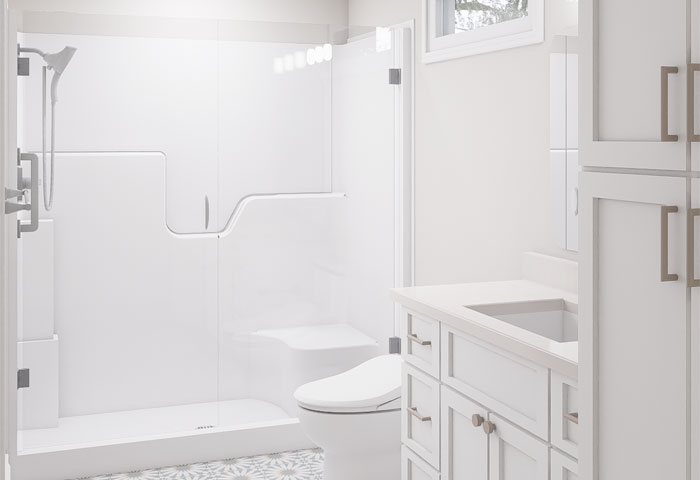
Beautiful homes are wonderful. Beautiful homes that function well are even better. Experienced residential designers think carefully about traffic flow, storage, lighting, furniture placement, accessibility, and the countless small details that influence everyday living.
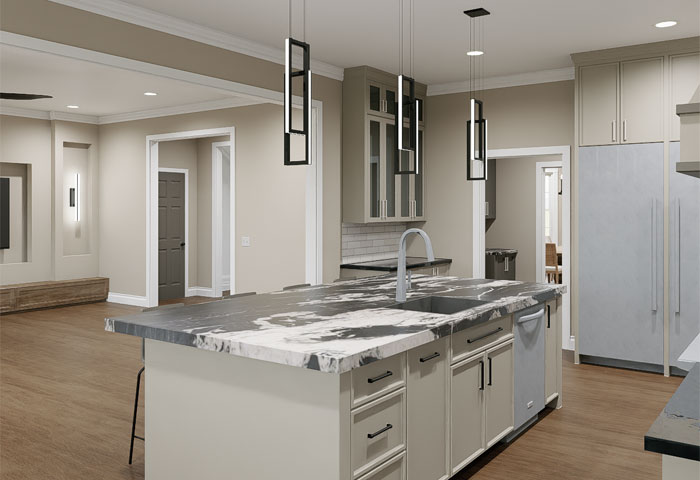
A kitchen island isn’t simply a countertop. It may become the family’s gathering place every evening. A hallway isn’t merely a connection between rooms. It influences how people move naturally throughout the home. The best residential design balances aesthetics with functionality.
Every Room Should Feel Connected
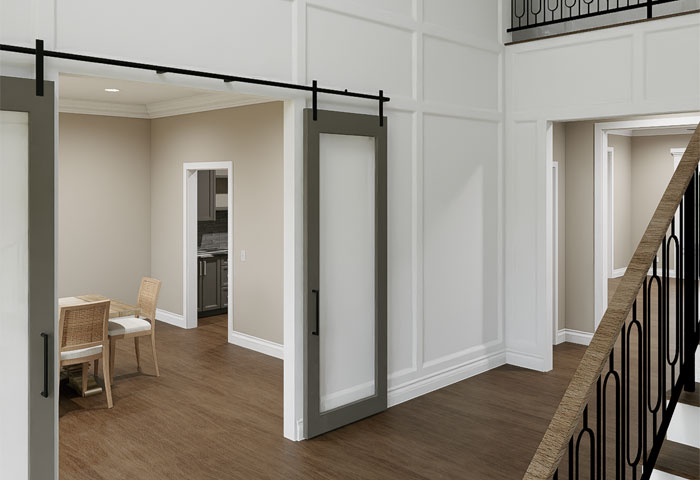
One of the biggest challenges in residential design is creating visual continuity throughout an entire home. Rather than treating each room as a separate project, great designers think about how colors, materials, finishes, lighting, flooring, cabinetry, and architectural details work together from one space to the next. The result is a home that feels intentional instead of pieced together over time.
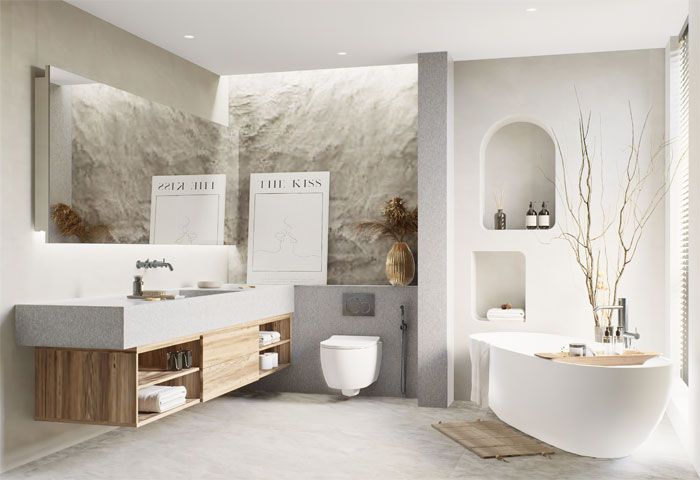
Visualization Helps Homeowners Make Better Decisions
One of the most valuable skills modern residential designers bring to a project is the ability to help clients visualize a completed space before construction begins. Detailed floor plans, computer modeling, and photorealistic 3D renderings allow homeowners to better understand how a renovation or new home may ultimately look.
Seeing a design before construction begins often helps clients make more confident decisions while reducing costly changes later in the project.
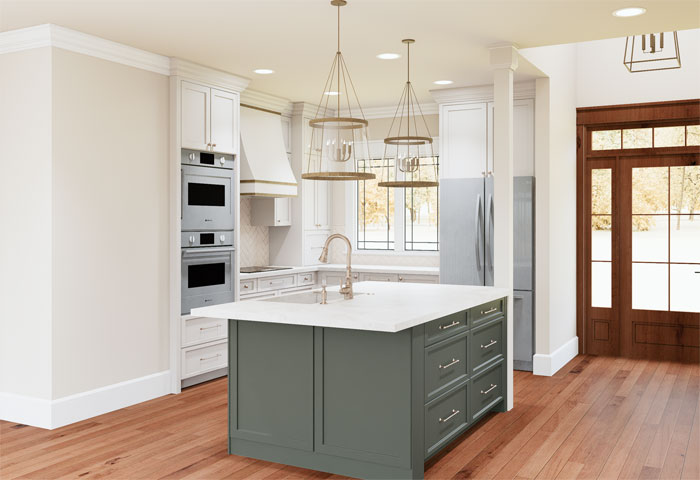
Residential Design Is About Solving Problems
Every home presents unique design challenges. Some families need more storage. Others want to create better connections between living spaces. Older homes often require creative solutions to improve functionality while preserving character. Great residential designers approach each project as a series of design problems waiting to be solved. Creativity becomes a practical tool – not simply an artistic one.
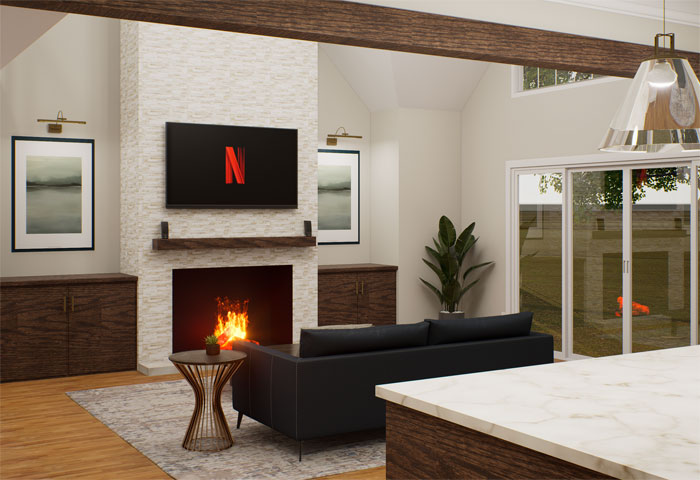
An Example of Modern Residential Design
One example of this design philosophy can be found in the work of Greenville, North Carolina-based interior architecture & design graduate Micah Jensen.
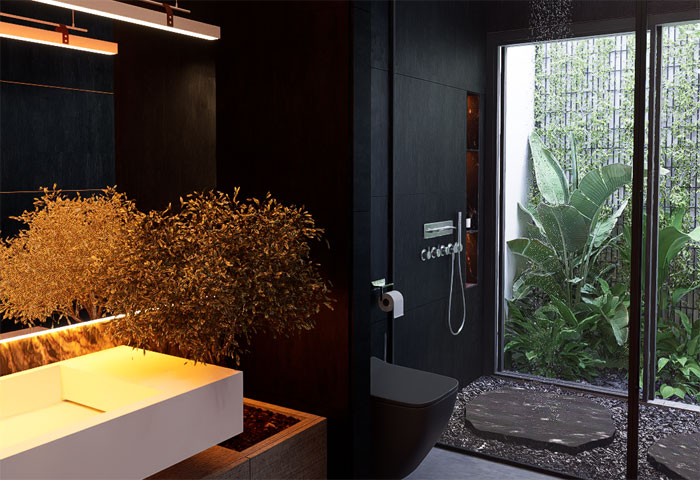
Micah earned a Bachelor of Fine Arts degree in Interior Architecture & Design and has developed residential design concepts that emphasize thoughtful space planning, cohesive design, and realistic visualization. His portfolio demonstrates how kitchens, living areas, bathrooms, circulation spaces, and adjacent rooms can work together as one unified environment rather than a collection of separate spaces. Through detailed drafting and high-quality 3D renderings, homeowners are able to visualize design concepts long before construction begins.
Residential design has become one of Micah’s favorite areas of practice because it allows him to create spaces that positively influence the way families experience their homes every day.
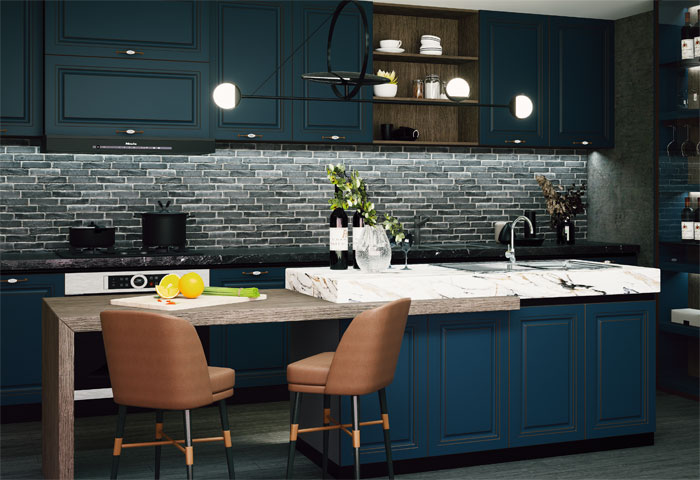
The Right Designer Looks Beyond Today’s Trends
Design trends come and go. Homes, however, are built to serve families for many years. The most successful residential interior designers focus less on creating trendy spaces and more on creating homes that remain functional, comfortable, and beautiful over time.
When evaluating a designer, homeowners should look beyond attractive photographs. Ask how they approach problem-solving, space planning, visualization, and collaboration. Those qualities often determine whether a project simply looks good – or truly improves the way a family lives.
About Micah Jensen
Micah Jensen is an Interior Architecture & Design Draftsman based in Greenville, North Carolina. He holds a Bachelor of Fine Arts degree in Interior Architecture & Design and specializes in residential design, architectural drafting, space planning, and photorealistic 3D visualization. His long-term goal is to become a licensed architect specializing in interior architecture while continuing to help clients transform residential and commercial spaces through thoughtful design. Learn more at MicahDrew.com.
Leave a Reply