
We enjoy addressing questions from our readers, and here is one that just came in today. Someone writes, “I’m constantly dealing with algae in my backyard inground swimming pool. I can’t seem to get rid of it. What are your recommendations?”
Algae in a swimming pool can be extremely bothersome. Here are our recommendations to get rid of algae and prevent its occurrence. And, yes, a lot of it comes down to being overly meticulous with what we like to call “pool science.” It’s time to pull out the chemist hat and gloves and start the water sampling and chemical mixing!
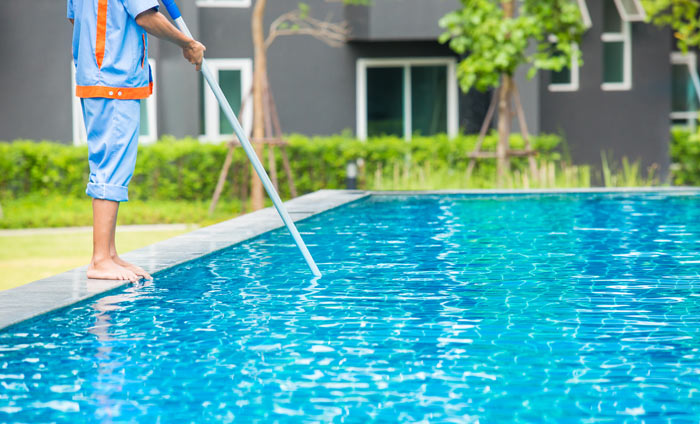
Step 1: Remove Existing Algae
Before you can take steps to preventing algae from reoccurring, you must first completely get rid of any algae which is currently there.
Shock the Pool: Give your pool a massive chlorine shock which will help kill off the existing algae. The level for chlorine should be around 30ppm – a much higher level than what is typically recommended for daily use.
Scrub the Pool: Once you’ve shocked the pool, scrub it down to remove the dead algae and to dislodge any surviving particles.
Vacuum the Pool: After scrubbing, vacuum the pool to remove the dislodged algae.
Remember to do this process at night as sunlight can reduce the efficiency of chlorine.

Step 2: Balance The Water Chemistry
Maintaining a well-balanced water chemistry is essential to keeping the pool free from algae.
pH Level: Maintain the pH level of your pool between 7.2 to 7.6.
Chlorine Levels: Keep your chlorine levels between 1 and 3 ppm.
Alkalinity: Alkalinity should fall between 80 and 120ppm.
Calcium hardness: Aim for 200 to 400ppm for a plaster pool and between 175 and 225 ppm for vinyl pools.

Step 3: Regular Maintenance
Regular Testing: Test your pool water two to three times per week in the summer and once per week in the winter.
Regular Cleaning: Regularly remove leaves, dirt, and other debris from the pool to prevent junk buildup.
Filter Cleaning: Keep the filter clean and unclogged.
Chlorine Tablets: Use chlorine tablets as a way of producing a slow release of chlorine into your pool.

Step 4: Prevent Future Algae
Algaecide: Use a quality algaecide as per instructions, and this can reduce the chances of algae coming back.
Phosphate remover: Use a phosphate remover, as algae feeds off phosphates.
Remember, consistency in pool care is key. A single lapse might see the algae growth returning. So, it’s essential to stay regular with pool treatments and maintenance.

Leave a Reply