
Maintaining a clean and well-functioning swimming pool can seem daunting, but with the right guidance, the task can be simplified. Below are some detailed steps to help you keep your inground swimming pool clean and well-maintained all season long.
First, let’s tackle the daily upkeep.
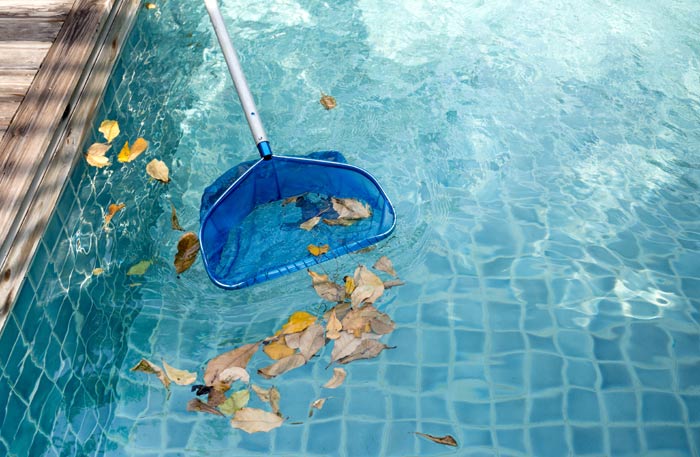
Skimming & Scrubbing
Skimming the pool’s surface: Use a long-handed net or skimmer to remove insects, leaves, grass clippings, and other debris from the water daily. This not only keeps the pool looking clean but also prevents stain formation and keeps the water circulating properly.
Brushing the pool walls: At least once a week, brush the pool walls to remove algae buildup. Use a firm brush for concrete pools and a softer brush for vinyl ones.
Secondly, let’s go over the weekly chores.

Checking the Pool Chemistry
Testing water pH levels: The pH level, which ranges from 0 to 14, should ideally be kept between 7.2 and 7.8 for the most effective chlorine application. You can use either test strips or a drop test kit in order to measure the water pH levels.
Checking & adjusting the chlorine levels: Chlorine is necessary to eliminate bacteria and algae. The correct chlorine level is typically between 1.0 and 3.0 parts per million (ppm).
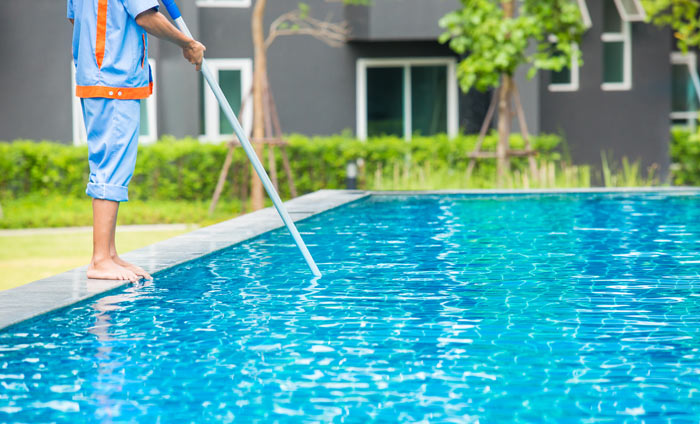
Vacuuming the Pool
Vacuuming the pool: Every week, vacuum your pool to get rid of lingering debris. This also helps to mix the pool chemicals in order to achieve an even distribution.
And, now, let’s consider the ongoing monthly tasks.
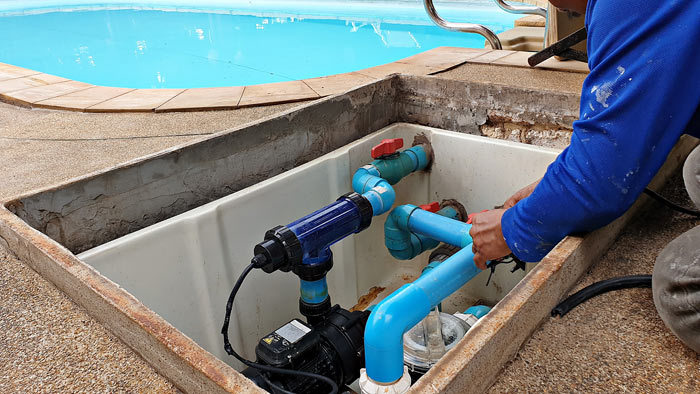
Checking the Water Level and Filter
Maintaining the water level: Your pool’s water level can decrease due to evaporation, splashing, or backwashing the filter. Ensure it doesn’t fall below the skimmer level; if it does, fill your pool back up to the proper level using a hose.
Cleaning the pool filter: There are three kinds of pool filters – cartridge, sand, and diatomaceous earth. Each requires different maintenance, but the cleaning process is the same: switch off the filter, release the pressure valve and remove the filter. After cleaning, reinstall the filter and run it on high for a few minutes.

Checking the Heater
Inspecting the pool heater: Depending on your usage, the pool heater should be checked at least once a year. Problems can usually be diagnosed by a professional. However, calcium scales build up in the tubes of a heater and can reduce its efficiency. In such cases, call a professional to dismantle and clean the heater.
Even though the bulk of pool maintenance will be confined to the more swim-friendly months, there are still seasonal tasks which must be addressed in order to keep your swimming pool fully up to par year round.
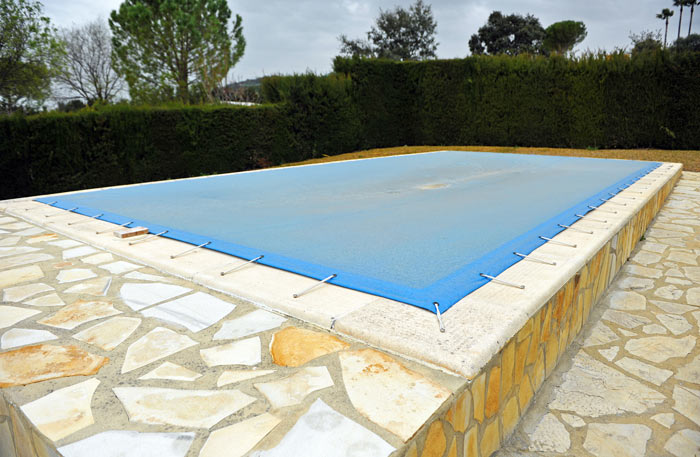
Opening & Closing the Pool
Opening the pool: You should open your pool when the outdoor temperature is consistently above 70 degrees Fahrenheit. Remove the cover, re-install equipment like ladders, dive boards, fill it to the appropriate water level, restart the filtration system, and add the right pool chemicals.
Closing the pool: You should close your pool when the outdoor temperature falls below 70 degrees Fahrenheit. Begin by adding the right pool chemicals, removing any pool equipment, lowering the water level if necessary, draining all the water from the plumbing lines, covering the pool, and finally, shutting down the filtration system.

Final Thoughts
To have a swimmable pool, these tasks, from skimming the pool to the larger tasks like preparing for different seasons, need to be regularly done. The use of a pool professional can also be beneficial to ensure the pool hardware is operated and maintained correctly. With the right knowledge and a little time, your pool can be the centerpiece of a beautiful backyard oasis.
Leave a Reply